
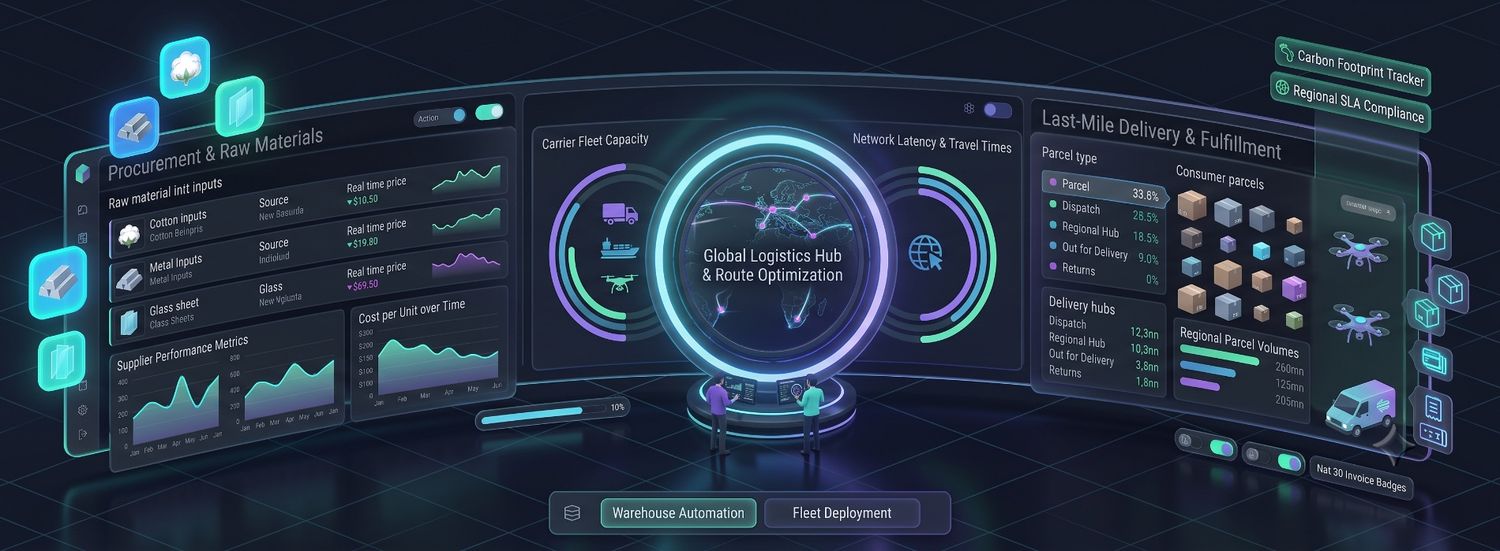
The Shopify B2B store setup framework for startups is an agile e-commerce architecture designed to automate wholesale operations alongside direct-to-consumer (D2C) channels. It combines native company profiles, dynamic price catalogs, minimum order quantities (MOQs), and flexible net payment terms into a unified backend. By replacing fragile third-party lock apps with native B2B functionality and direct accounting sync (QuickBooks, Xero, or NetSuite), startups can scale trade volume without expanding manual operations.
For early-stage and high-growth startups, landing your first dozen wholesale accounts is a major milestone. But managing those wholesale orders manually quickly becomes an operational nightmare.
Your lean team ends up spending hours typing emailed PDF purchase orders into spreadsheets, chasing buyers over Slack for overdue invoices, and manually checking inventory before confirming bulk shipments. Worse yet is the dreaded inventory stockout: a wholesale customer places a $20,000 order out of nowhere, wipes out your stock, and leaves your high-margin D2C site completely out of inventory right before a major ad campaign.
Cobbling together password-protected pages or stacking $500/month wholesale apps eventually breaks under high trade volume. Implementing a structured Shopify B2B store setup framework gives wholesale buyers a fast, self-serve portal while keeping your cash flow, inventory, and founder bandwidth protected.

1. Storefront Architecture for Your Shopify B2B Store Setup Framework
Before configuring price lists or inviting stockists, decide how your wholesale portal will coexist with your consumer storefront within your Shopify B2B store setup framework. Shopify supports two main setup models:
Option A: The Blended Storefront (Hybrid D2C + B2B)
A blended storefront serves both retail consumers and wholesale buyers on the exact same domain (e.g., yourbrand.com). Guest visitors see public retail prices. When a verified wholesale account logs in, the store dynamically updates to show their negotiated contract prices, wholesale catalogs, quantity rules, and net payment terms.
- Best for: Lean startups selling the same core SKUs to consumers and retail stockists who need shared inventory pools and a single brand domain.
- Key Benefit: Shared inventory prevents dead stock, and your team only manages one theme codebase and product catalog.
Option B: Dedicated B2B Storefront
A dedicated store lives on an isolated domain reserved purely for trade accounts (e.g., wholesale.yourbrand.com). Public visitors see a password-protected login screen or an application form.
- Best for: Startups selling specialized industrial or institutional products that are never offered to retail consumers, or brands requiring distinct warehousing logic.
- Key Benefit: Complete freedom to customize checkout flows and themes without risking D2C conversion rates.
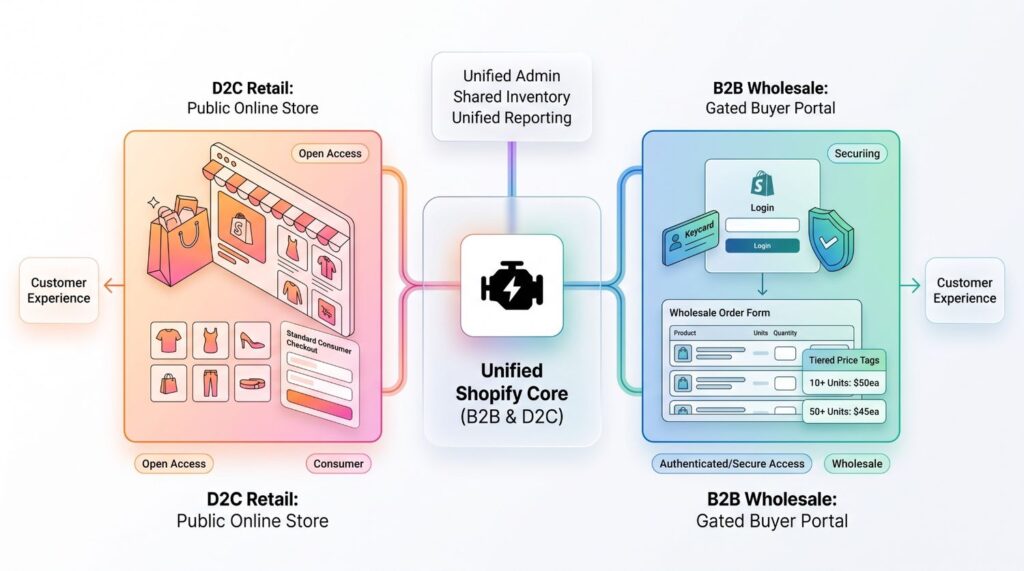
Startup Rule of Thumb: If greater than 80% of your wholesale catalog matches your D2C product line, choose a Blended Storefront. It keeps your software overhead low and eliminates duplicate product management.
2. The 5 Technical Pillars of the Shopify B2B Store Setup Framework
Building an enterprise-ready wholesale portal without app bloat requires configuring five native backend pillars inside your Shopify B2B store setup framework:
Pillar 1: Company Profiles & Account Hierarchies
Wholesale purchasing involves organizations, not single shoppers.
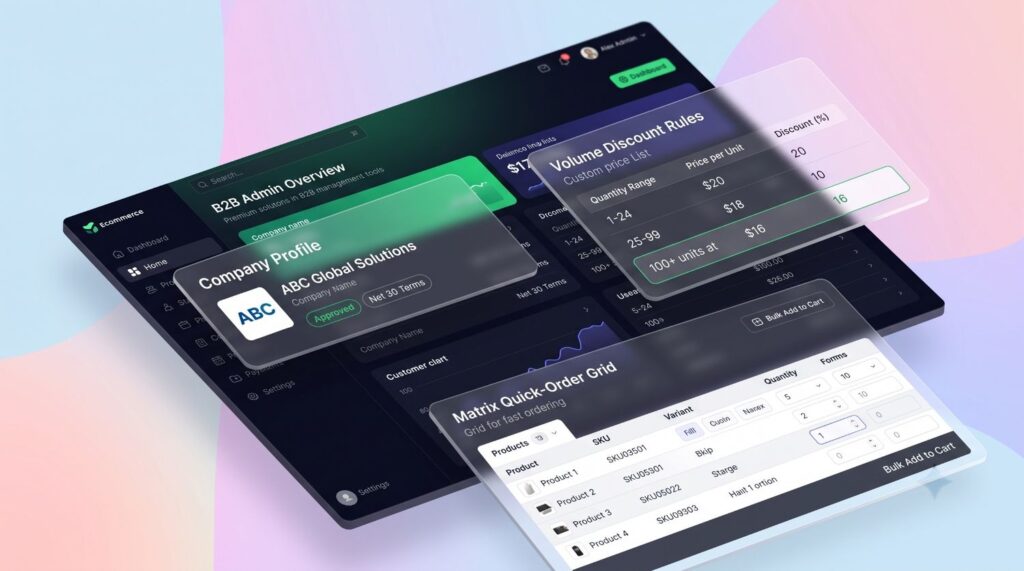
- Company Entities & Locations: Group accounts under parent company profiles with distinct sub-locations for individual retail stores or regional branches.
- Granular Contact Roles: Grant store owners full purchasing rights while restricting junior staff to browsing or placing draft orders for approval.
Pillar 2: Dynamic Catalogs & Tiered Pricing
Stop creating duplicate product listings (like SKU-123-WHOLESALE) to offer trade discounts:
- Custom Catalogs: Build tailored price lists (e.g., Boutique Tier, Regional Distributor) with fixed prices or percentage discounts off base retail rates.
- Targeted Product Visibility: Hide specialized or region-specific products from accounts that aren’t authorized to buy them.
Pillar 3: MOQs, Inner Cartons, and Volume Breaks
Protect your gross margins against small, unviable bulk orders:
- Minimum Order Quantities (MOQs): Require buyers to order at least 10 or 20 units before adding items to their cart.
- Case Pack Constraints: Force order quantities to match master carton packaging (e.g., sold only in multiples of 6 or 12).
- Volume Pricing Tables: Display clear volume discounts on product pages (e.g., 50–99 units at $20/unit; 100+ units at $16/unit) to encourage larger cart sizes.
Pillar 4: Flexible Net Terms & ACH Payments
Wholesale buyers expect payment terms rather than paying by credit card upfront:
- Configurable Credit Terms: Assign Net 15, Net 30, or Net 60 terms per company location.
- Low-Fee Payment Options: Accept ACH bank transfers (in the US) or vaulted credit cards to automate collection when orders become due.
Pillar 5: Self-Serve Quick Order Forms
B2B procurement agents want speed over visual browsing:
- Matrix Quick-Order Forms: Let buyers select quantities across multiple sizes and colors on a single grid screen.
- CSV Bulk Upload: Allow buyers to upload a CSV spreadsheet of SKU codes and quantities to instantly populate their cart.
3. Step-by-Step Shopify B2B Store Setup Framework Roadmap
Deploying your Shopify B2B store setup framework out of order leads to pricing glitches, tax errors, and inventory confusion. Follow this four-step deployment sequence:
Phase 1: Account Foundation
Structure Company Profiles & Tax IDs
Import corporate accounts into Shopify Admin. Map business names, delivery addresses, state tax exemption certificates (reseller IDs), default payment terms, and individual buyer contacts.
Phase 2: Catalog Logic
Build Price Lists & Quantity Rules
Create pricing tiers (e.g., Tier 1 Stockist, Wholesale Partner). Set fixed wholesale prices or percentage discounts, assign SKU visibility, and apply minimum order quantities (MOQs) and case pack increments.
Phase 3: Checkout Rules
Customize Payment & Shipping Controls
Use Shopify Functions and app rules to customize checkout logic. Restrict credit terms to verified buyers, require credit card deposits for new accounts, and configure surface freight rates based on shipment weight.
Phase 4: Operations Sync
Connect Accounting & Fulfillment Systems
Connect your accounting software (QuickBooks Online, Xero, or NetSuite) and fulfillment tools via API webhooks. Automate draft order generation, tax line mapping, and inventory updates.
4. Integrating Your Accounting Stack into the Shopify B2B Store Setup Framework
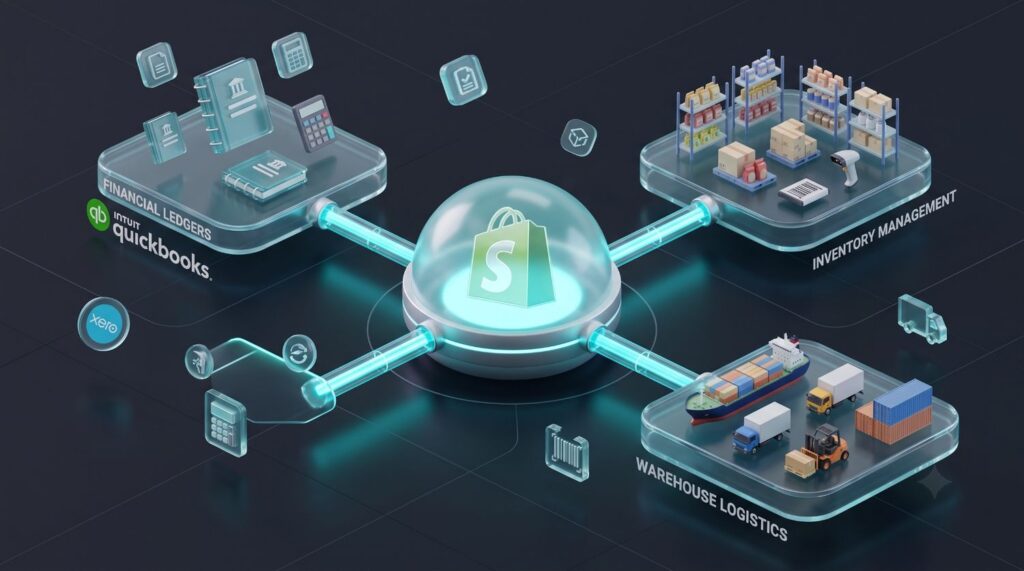
A wholesale portal is only as reliable as its connection to your accounting ledger. Here is how popular startup accounting platforms integrate with the Shopify B2B store setup framework:
| Feature / Requirement | QuickBooks Online | Xero | NetSuite / ERP |
|---|---|---|---|
| Integration Method | Native Connector / App | Native App / Middleware | Direct GraphQL API / Middleware |
| Inventory Hold Sync | Near Real-Time | Real-Time | Real-Time |
| Automated Invoice Creation | Native Support | Native Support | Native Support |
| B2B Tax Line Mapping | Automatic | Automatic | Custom Ledger Rules |
| Best Suited For | Early-Stage ($100k–$1M) | Early-Stage ($100k–$1M) | Scaling Enterprise ($2M+) |
5. Cross-Border Compliance in Your Shopify B2B Store Setup Framework
Selling wholesale internationally introduces complex tax and logistics requirements that can stall growth if mismanaged within your Shopify B2B store setup framework:
- Tax Exemption Validation: Automatically capture and store state resale certificates (in the US) or VAT/GST identification numbers (in Europe and international markets) to ensure zero-rated tax checkout for verified resellers.
- Multi-Currency Pricing: Present B2B catalogs in local currencies using localized pricing rules, keeping duties and international freight estimates accurate at checkout.
- Freight & LTL Shipping: Configure weight-based surface freight shipping or offer “Collect/To Pay” freight options where the buyer pays their carrier directly upon delivery.
Frequently Asked Questions
Is native Shopify B2B available for early-stage startups?
Yes. Native B2B functionality is available across Shopify plans. Startups can launch up to three custom price catalogs, company profiles, net payment terms, and matrix order forms without upgrading to Plus or paying thousands in monthly app fees.
How do early-stage startups prevent B2B orders from wiping out D2C inventory?
By deploying a blended storefront architecture with automated inventory allocation rules within their Shopify B2B store setup framework. Draft wholesale orders reserve stock in real time, preventing bulk buyers from causing stockouts on high-margin consumer retail channels.
Can startups offer Net 30 payment terms without taking on massive credit risk?
Yes. Startups can use native company profile settings to restrict credit terms to vetted accounts, requiring new or unvetted wholesale buyers to pay via credit card, ACH, or deposit before fulfillment.
How does Shopify B2B sync with accounting software like QuickBooks or Xero?
Shopify connects to QuickBooks Online or Xero via native apps and API webhooks. Approved B2B orders automatically generate invoices, map tax line items, and adjust inventory balances across systems.
Ready to Scale Your Wholesale Channel Without the Operational Chaos?
Managing wholesale on Shopify shouldn’t mean late nights fixing spreadsheet errors, chasing overdue invoices, or risking inventory stockouts during peak retail campaigns.
Executing a proper Shopify B2B store setup framework correctly from day one separates smooth operational scaling from costly technical debt.
Let’s build a wholesale portal tailored to your startup’s growth:
- Get a Custom B2B Architecture Blueprint: We’ll review your current D2C store, product catalog, and fulfillment workflows to design a clean B2B setup.
- Automate Your Accounting Sync: Connect Shopify directly to QuickBooks, Xero, or NetSuite with zero manual data entry.
- Streamline Tax & Wholesale Terms: Configure automated reseller tax exemptions, ACH bank transfers, and custom net payment terms.
Schedule a 30-Minute Startup B2B Strategy Call
Speak directly with our e-commerce architects to eliminate your wholesale bottlenecks and get a clear technical roadmap.
